


Can Amblyopia Caused by Strabismus be Treated After Age 14? Expert Insights on New Hope

scroll down
scroll down
In the treatment of eye conditions, especially Amblyopia (Lazy Eye), a "golden window" is often cited: the period before age 14. This is because the visual system and the nerve connections between the eyes and the brain are developing rapidly during early childhood. Therefore, when a child suffers from Amblyopia (often caused by issues like Strabismus, drooping eyelids, or refractive error differences), early treatment offers a high success rate.
However, life is not always ideal. Many people, for various reasons, miss this optimal treatment window. They grow up with poor vision, wondering: "Can I still improve my Amblyopia after age 14, or even at 20 or 30?"
Based on the sharing from the experts at Shine Vision Restoration, this article delves into answering this crucial question, especially for cases of Amblyopia originating from Strabismus (also known as a Squint or Crossed Eyes).
To understand the potential for treatment, we must first grasp the nature of the condition.
Amblyopia is a condition of reduced vision in one or both eyes. Even after maximum corrective lens use, visual acuity still does not reach 20/25 (8/10). The nature of Amblyopia is not structural damage to the eye (lens, retina, cornea), but rather a functional reduction in the visual pathway to the brain.
One of the most common causes leading to Amblyopia is Strabismus.
Strabismus occurs when the two eyes are misaligned, looking in different directions. Consequently, each eye sends a different image signal to the brain.
To prevent double vision (diplopia), the brain often chooses to suppress the image signal from the weaker or misaligned eye (Strabismus/Squint).
Over time, the visual pathway from the weaker eye to the brain becomes inhibited, lacking proper stimulation and development. This leads to a loss of neural connection, causing Amblyopia.
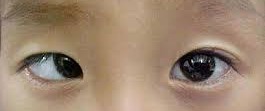
Additionally, Amblyopia can also be caused by ptosis (drooping eyelids) or large differences in refractive error (anisometropia) between the two eyes.
The principle of Amblyopia treatment sounds simple but requires perseverance and a scientific roadmap:
Address the Root Cause: First, remove the barrier hindering visual development, such as surgery for Strabismus (if necessary), treating ptosis, or maximum spectacle correction to resolve refractive error differences.
Re-establish Neural Connections: Once the cause is addressed, use specialized exercises to stimulate and create the conditions for the neural connections between the eye and the brain to form and link up again. This is the most crucial step to "awaken" the vision of the Amblyopic eye.
The truth is that the success rate of Amblyopia treatment decreases with age, but this does not mean treatment is impossible. Studies and practical experience show that even after age 14, the visual nervous system still retains the ability to adapt and learn (neuroplasticity).
The evidence is clear: after age 14, people can still learn new skills like swimming, playing a musical instrument, or functional recovery after injury (physical therapy). This proves that the capacity for creating new neural connections in the brain continues.
However, the speed of recovery will be slower, requiring more time and patience compared to young children. Experts categorize the post-14 cases as follows:
This is the most favorable case for adults. At this level, the eye is still partially functional.
Potential for Improvement: Very high. It is still possible to apply exercises to form and strengthen neural connections.
Real-world Examples:
20-year-old Case (Non-Strabismic Amblyopia): A student, 20 years old, whose visual acuity only reached 2/10 (20/100) with maximum correction. After 2 months of an online training regimen, their vision increased to 8/10 (20/25).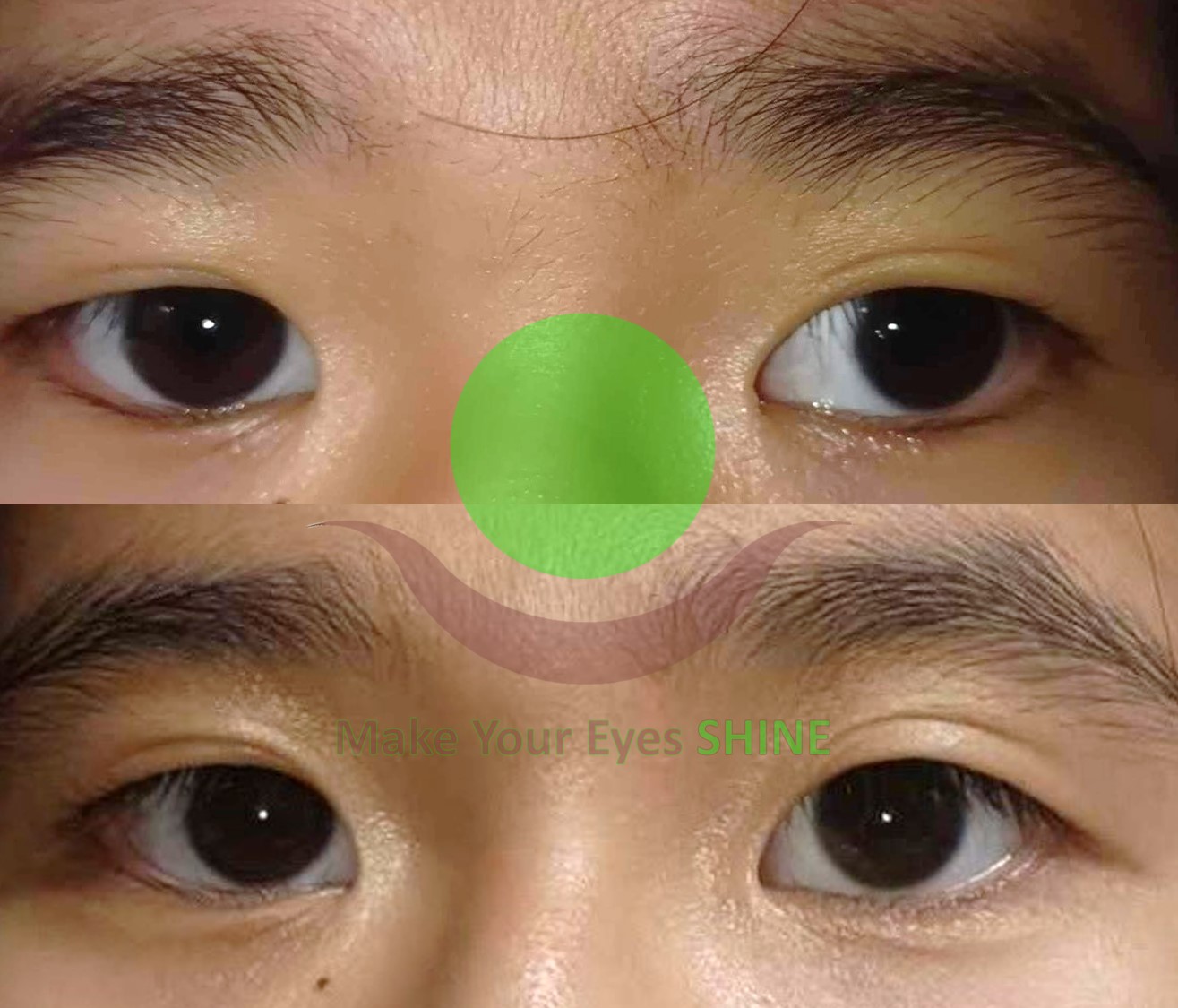
33-year-old Case (Strabismic Amblyopia): A 33-year-old male student, who had undergone Strabismus surgery but suffered a relapse, with visual acuity only reaching 3/10 (20/70). After 3 months of persistent training, not only did the Strabismus significantly improve (almost completely resolved), but his visual acuity also increased to 6/10 (20/33).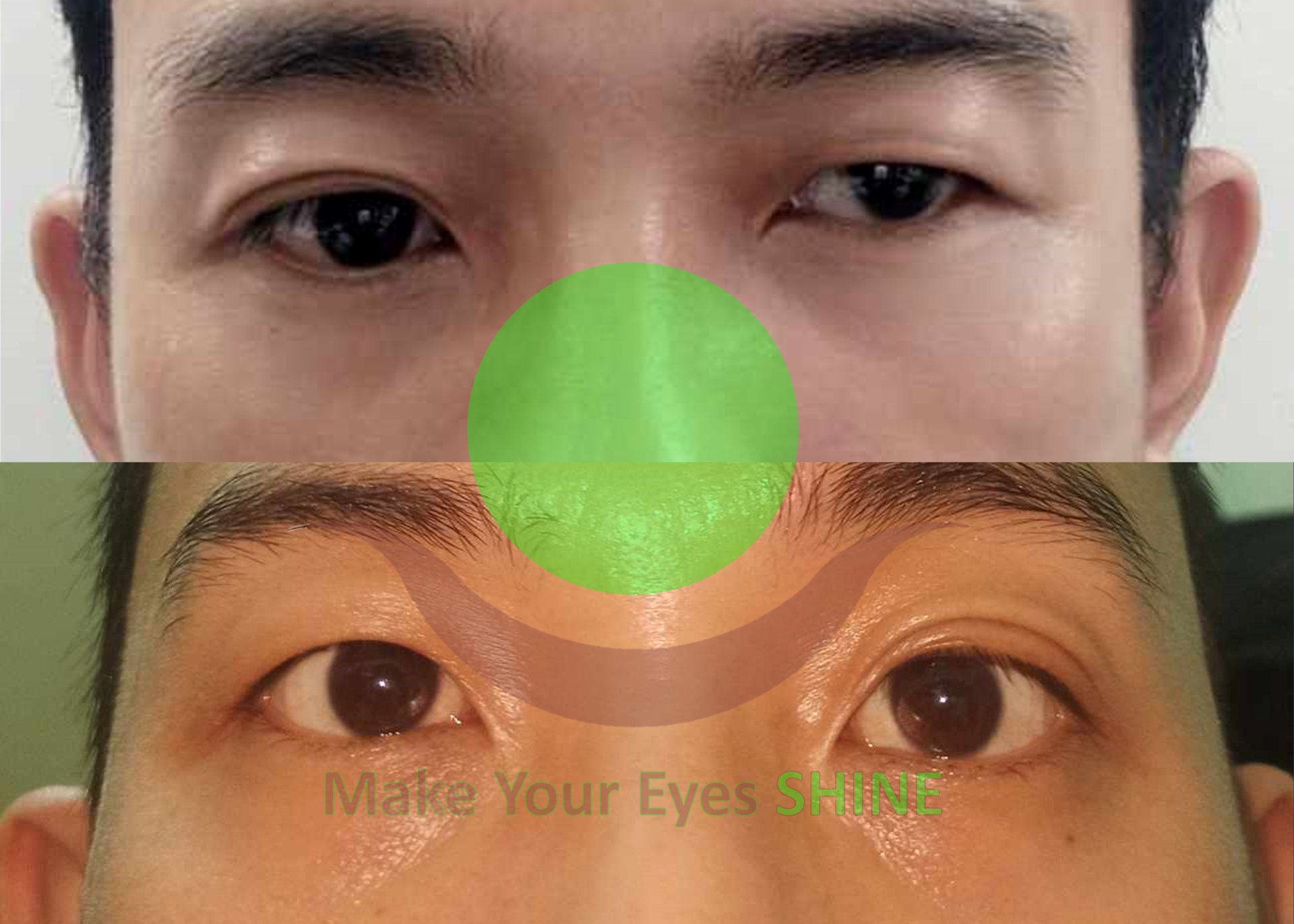
These cases clearly demonstrate that age is not an absolute barrier. With the right, scientific, and persistent intervention, adults can still restore their vision.
Deep Amblyopia is when vision is very poor, where visual acuity cannot be measured with a standard chart, and the patient must rely on finger counting at short distances (1m, 2m).
Potential for Improvement: Low, ranging from only 0.5% to 1%.
Requirements: Although the success rate is very low, there is still hope. Treatment in this situation requires the patient to be extremely persistent and adhere strictly to the regimen. Continuous close monitoring by a coach or doctor is also necessary to constantly adjust exercises based on the smallest signs of progress.
If you have Amblyopia (whether mild or severe), especially if the cause is Strabismus and you are over 14, do not let outdated information steal your hope.
In-depth Examination: The first and most critical step is a comprehensive examination to accurately determine the degree of Amblyopia, the current status of Strabismus, and any associated refractive errors.
Treat the Cause: If you have severe Strabismus, consult a specialist about surgical correction or other optical solutions.
Specialized Training: Seek out scientifically designed vision therapy programs that are based on the principle of stimulating and re-establishing neural connections. Remember that patience and persistence are key. The pace of recovery may be slow, but improvement is still possible.
In conclusion, the answer to the question "Can Amblyopia be treated after age 14?" is IT IS POSSIBLE. With the advancement of science and your personal commitment, the path to vision restoration and correction of Strabismus remains open. Be proactive, seek solutions, and start your journey to improve your vision today.

Write a comment
Các trường bắt buộc được đánh dấu *